Power vs Control Pickleball Paddles: How to Choose
Edited by DanPublished Updated How we research
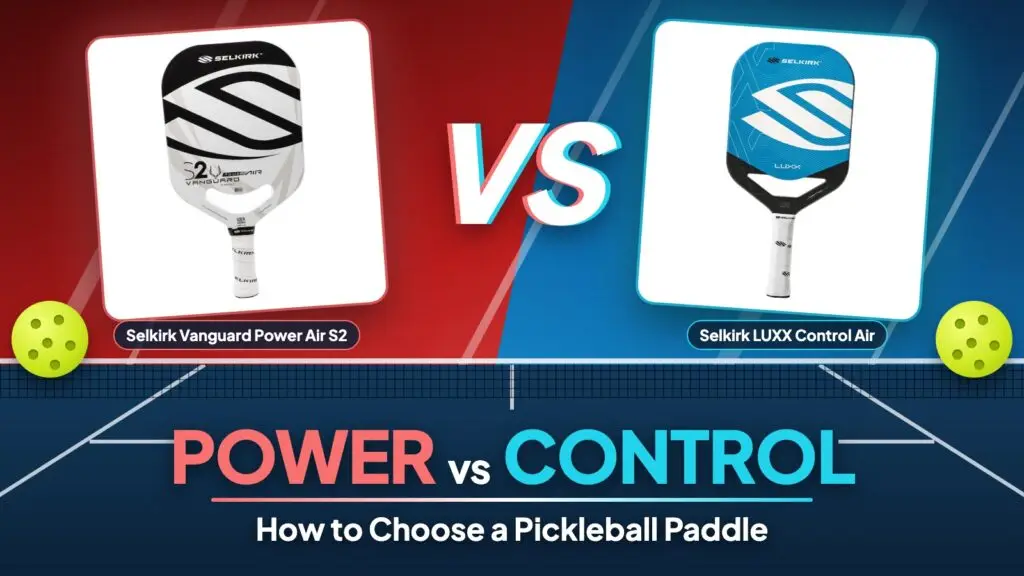
“Power or control?” is the first question most players ask when choosing a paddle. The answer comes down to a handful of specifications you can read on any product page: core thickness, core material, face material, shape and weight. This guide explains how each one shifts a paddle toward power or control, using the same factors as our rating scale and examples from the paddles we’ve reviewed.
Quick Answer
- Power paddles tend to have thinner or foam cores, longer (elongated) shapes, a little more weight and livelier faces. They add pace to drives, serves and putaways.
- Control paddles tend to have thicker honeycomb cores (16 mm and up), shorter, wider shapes and carbon faces. They make dinks, drops and resets easier to place.
- All-court paddles sit in between, and are where most players should start.
The Specs That Decide It
1. Core Thickness
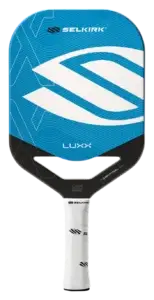
For honeycomb cores, thickness is the biggest single factor. Thinner cores (13–14 mm) are livelier and pop more; thicker cores (16 mm and up) absorb more of the ball’s energy, which feels softer and more controlled. The extremes in our reviews show it clearly: Selkirk’s 13 mm Vanguard Power Air S2 rates 9 for power and 7.5 for control, while the 19 mm LUXX Control Air Epic rates 6 for power and 9.5 for control, our top control rating.
2. Core Material: Foam vs Honeycomb
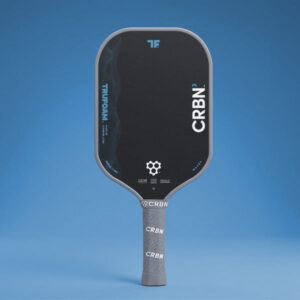
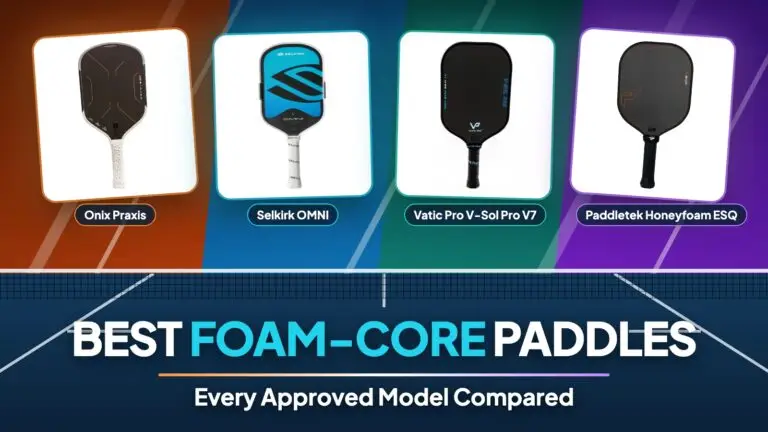
Newer all-foam cores change the rules. Brands such as CRBN, Selkirk, Onix and 11SIX24 say their foam cores deliver pop on hard swings while staying soft on touch shots, often at 14 or 16 mm. On our scale every 100% foam core earns extra power points, so foam paddles rate high for power even at 16 mm. Read foam core vs honeycomb for more.
3. Shape
Longer paddles (16.5 in elongated shapes) put more mass farther from your hand, which adds leverage and power. Shorter, wider paddles (about 16 x 8 in) are more forgiving and easier to control. See paddle shapes explained.
4. Face Material
Fiberglass faces flex more and add pop; carbon fiber faces are stiffer and more controlled. Many paddles now blend the two. See carbon vs fiberglass faces.
5. Weight and Construction
Heavier paddles (8.3 oz and up) carry more momentum into the ball and feel more stable; lighter ones are quicker but less powerful. Thermoformed and unibody builds, which seal the edges, add stability and power on our scale. See thermoformed paddles explained.
Power and Control Paddles Compared
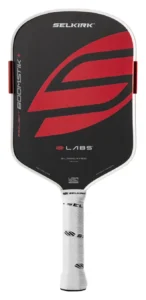
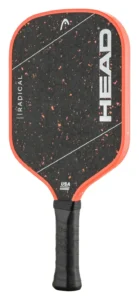
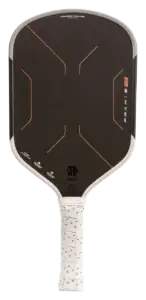
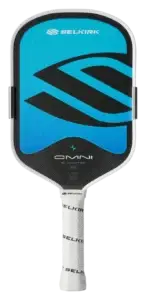
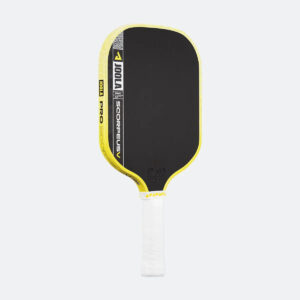
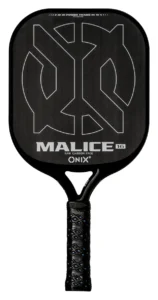
The table below puts some of the clearest power and control paddles we’ve reviewed side by side, plus two all-court options.
Who Should Choose Which
Choose a Power Paddle If
- you play singles or from the baseline and want to finish points with drives
- you’re a former tennis player used to swinging through the ball
- your soft game is already consistent and you want more pace
Browse power paddles.
Choose a Control Paddle If
- you play mostly doubles and spend your time at the kitchen
- you’re newer and still building consistency on dinks and drops
- you tend to overhit with livelier paddles
Browse control paddles.
Choose an All-Court Paddle If
you aren’t sure, or you want one paddle for everything. Balanced options such as the Onix Praxis (power 10, control 9 on our scale) and Selkirk OMNI (power 9.5, control 9) show that modern foam paddles can rate well for both. Browse all-court paddles.
A Note on Ratings
Our power and control ratings come from published specifications, not on-court testing, and the same specs can feel different in different hands. Use them to narrow the field, then read each review’s buyer feedback and the manufacturer’s own description. The Paddle Finder ranks every paddle we’ve reviewed against your answers, including how much power or control you want.
Frequently Asked Questions
What makes a pickleball paddle more powerful?
Thinner or all-foam cores, longer elongated shapes, a little extra weight, livelier fiberglass faces and thermoformed or unibody construction all add power, according to manufacturers and our spec-based rating scale.
What makes a pickleball paddle better for control?
Thicker honeycomb cores (16 mm and up), shorter and wider shapes and stiffer carbon faces. The thickest core we've reviewed, Selkirk's 19 mm LUXX Control Air, rates 9.5 for control, the top control rating on our scale.
Should beginners use a power or control paddle?
Most newer players do better with a control or all-court paddle with a large sweet spot, because consistency on dinks and drops matters more than pace early on.
Can a paddle have both power and control?
Yes. Several foam-core paddles rate highly for both on our scale, such as the Onix Praxis (power 10, control 9) and Selkirk OMNI (power 9.5, control 9).
Keep Reading
Next Step
Ready to Compare Paddles?
Put the paddles from any guide side by side and compare them on the same research scale.