Pickleball Paddle Shapes Explained: Elongated vs Hybrid vs Wide-Body
Edited by DanPublished Updated How we research
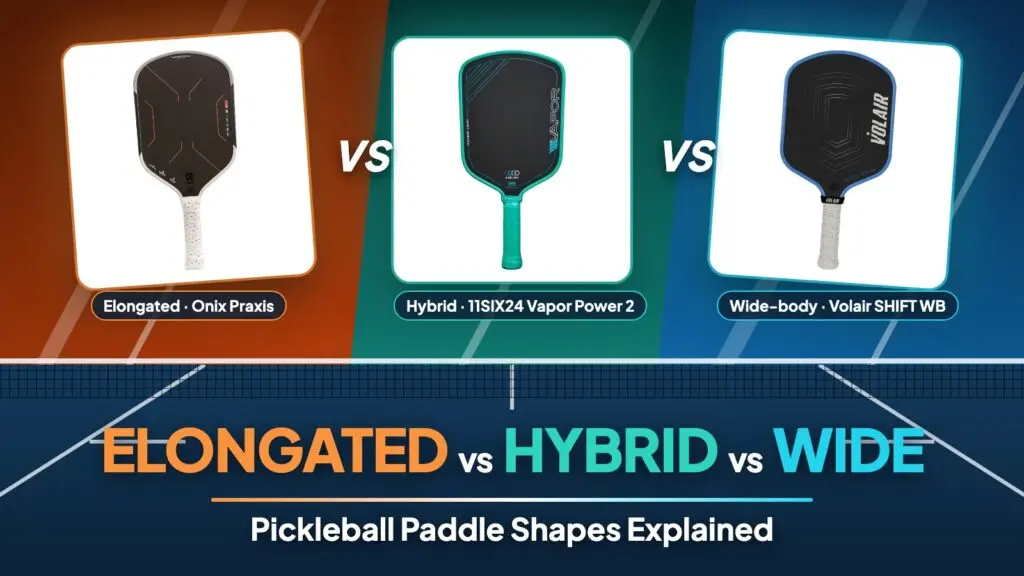
Paddle shape is one of the easiest specs to compare and one of the most important. Length and width decide how much reach you get, how big the sweet spot is and how quickly the paddle moves. This guide explains the three main shapes using the dimensions and swing and twist weights that brands publish. We haven’t play-tested these paddles.
Quick Answer
- Elongated (about 16.5 in long, 7.25–7.5 in wide): more reach, power and spin, with a smaller sweet spot and a heavier swing. Suits singles, baseline players and former tennis players.
- Hybrid (about 16.2–16.3 in long, 7.7–7.8 in wide): a balance of reach and forgiveness. A good default for most players.
- Standard / wide-body (about 15.75–16 in long, 7.85–8.2 in wide): the largest sweet spot and the quickest hands at the kitchen, with less reach. Suits doubles, control players and newer players.
The Size Limit
USA Pickleball rules cap a paddle’s combined length and width at 24 in, and its length at 17 in. That’s why shapes trade one for the other: a 16.5 in elongated paddle can be at most 7.5 in wide, while a 16 in paddle can be 8 in wide.
What the Published Numbers Show
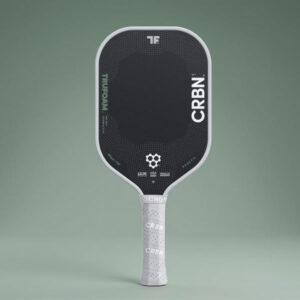
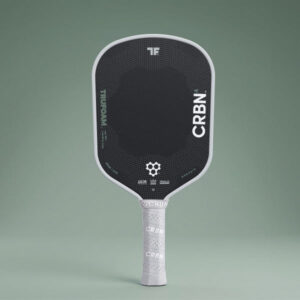
Some brands publish swing weight (how heavy the paddle feels to swing) and twist weight (how much it resists twisting on off-center hits) for each shape. Those numbers make the trade-off concrete. CRBN’s TruFoam Genesis comes in four shapes:
- ¹ Elongated, long handle (16.5 x 7.35 in): swing weight 118–120, twist weight 5.75
- ² Standard (16 x 7.85 in): swing weight 112–114, twist weight 6.75
- ³ Elongated (16.5 x 7.5 in): swing weight 118–120, twist weight 6.21
- ⁴ Hybrid AeroCurve (16.2 x 7.8 in): swing weight 106–108, twist weight 6.58
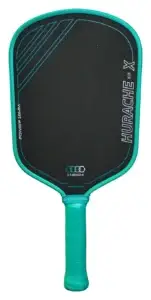
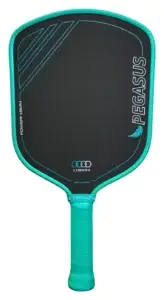
11SIX24’s Power 2 follows the same pattern: the wide-body Pegasus has the lowest swing weight (105–110) and highest twist weight (7–7.25), and the elongated Hurache-X the highest swing weight (114–118) and lowest twist weight (6.25–6.5). Selkirk lists a swing weight of about 118 for the elongated OMNI and 112 for its widebody version.
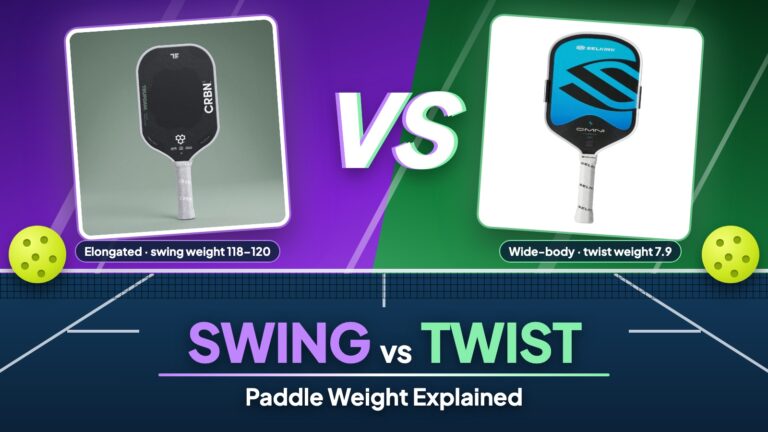
In short: longer paddles swing heavier and wider paddles resist twisting. Read swing weight vs twist weight for more on these numbers.
Elongated Paddles
Elongated paddles put more of their length beyond your hand, adding leverage for drives, serves and spin, and extra reach for the ball that’s just out of range. The cost is a narrower face and a smaller sweet spot, plus a heavier swing at the kitchen. Many come with longer handles, from 5.5 in up to 6 in, which suit two-handed backhands. Examples: Selkirk OMNI, Onix Praxis, JOOLA Perseus Pro V.
Hybrid Paddles
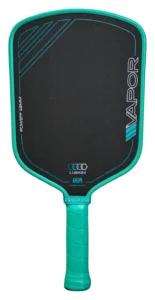
Hybrid shapes split the difference: a little shorter than elongated, a little wider than most, with a moderate swing weight. CRBN recommends its hybrid AeroCurve shape for hand speed and attacks, and 11SIX24 calls its hybrid Vapor its most popular all-round shape. Examples: CRBN⁴ Genesis, 11SIX24 Vapor Power 2, JOOLA Kosmos Pro V.
Standard and Wide-Body Paddles
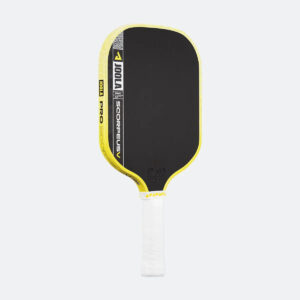
Standard and wide-body paddles give up reach for the widest face, the biggest sweet spot and the highest twist weight, so off-center hits stay more stable. They’re the most forgiving shape and the quickest in hand battles, which is why many doubles and control players prefer them. Examples: JOOLA Scorpeus Pro V, Selkirk LUXX Control Air Epic, 11SIX24 Pegasus Jelly Bean 2.
Shapes Compared
Don’t Forget the Handle
Handle length often follows shape. Handles of 5.5 in or more leave room for a two-handed backhand; 5.25 in and shorter suit one-handed players and put more of the paddle’s length into the face. Grip circumference matters too: 4.125 in is the most common size, and 4.25 in suits larger hands. Every review we publish includes a Handle & comfort section based on these specs.
Which Shape Should You Choose?
- Mostly doubles, at the kitchen: standard / wide-body or hybrid.
- Singles or baseline power: elongated.
- Not sure, or a bit of everything: hybrid.
- Newer player: standard / wide-body for the biggest sweet spot.
- Two-handed backhand: an elongated paddle with a 5.5 in or longer handle.
Filter by shape in the comparison tool, or let the Paddle Finder factor in your shape preference.
Frequently Asked Questions
What is the best pickleball paddle shape?
There isn't one best shape. Elongated paddles add reach, power and spin; standard and wide-body paddles give the biggest sweet spot and quickest hands; hybrid paddles balance the two and are a good default for most players.
Are elongated paddles harder to use?
They are less forgiving: the narrower face has a smaller sweet spot and the longer length raises swing weight. Players with consistent technique, singles players and former tennis players often prefer them.
How big can a pickleball paddle be?
Under USA Pickleball rules, a paddle's combined length and width can't exceed 24 in, and its length can't exceed 17 in.
What paddle shape is best for beginners?
A standard or wide-body paddle, because the wider face gives the largest sweet spot and the most forgiveness on off-center hits.
Keep Reading
Next Step
Ready to Compare Paddles?
Put the paddles from any guide side by side and compare them on the same research scale.