Thermoformed Pickleball Paddles Explained (Unibody Too)
Edited by DanPublished Updated How we research
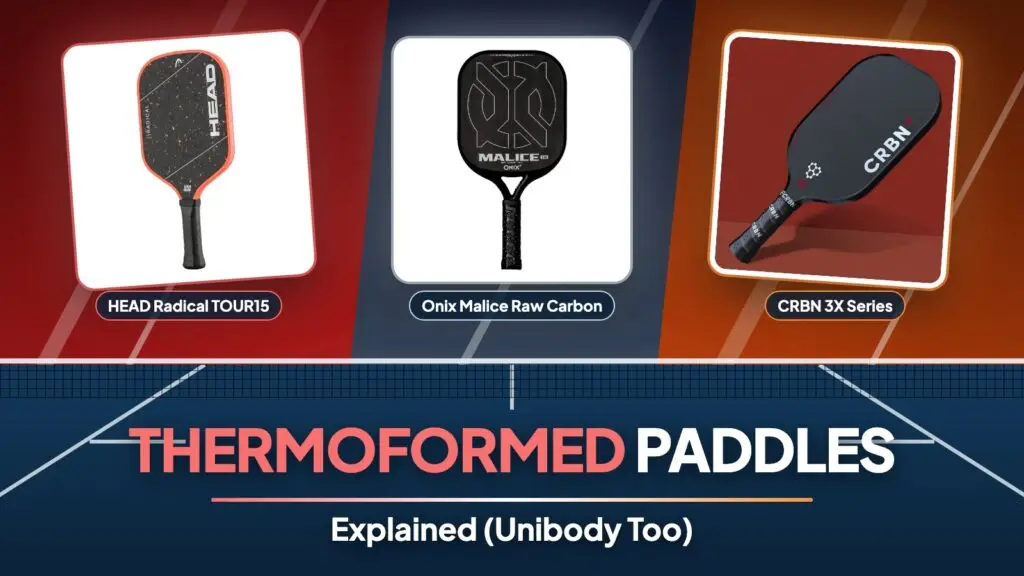
“Thermoformed” and “unibody” appear on more and more paddle spec sheets. Both describe how a paddle is put together rather than what it’s made of. This guide explains what the terms mean, what brands say the construction does, and how our rating scale treats it. We haven’t play-tested these paddles.
Quick Answer
- Thermoformed paddles are molded with heat and pressure so the face, edges and core are fused into one sealed shell, often with foam injected into the edge walls.
- Unibody paddles run the face material continuously down into the handle instead of attaching a separate handle at the throat.
- Brands say both make a paddle more stable and powerful with a larger sweet spot. Our scale adds power and sweet-spot points when a manufacturer states this construction.
How Traditional Paddles Are Built
A traditional paddle is a sandwich: a core glued between two face sheets, with an edge guard around the perimeter and a handle attached at the throat. It’s simple and inexpensive, but the joins at the edges and throat are where flex and vibration can creep in.
What Thermoforming Changes
A thermoformed paddle is molded under heat and pressure so the faces wrap around the edges and bond into a single sealed shell. Many designs also fill the perimeter with injected foam. Brand examples from our reviews:
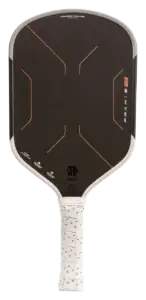
- HEAD ThermoTech: HEAD’s Radical TOUR15 and TOUR EX15 use thermoformed construction with Injected Foam Walls, which HEAD says are designed for stability and a wider sweet spot.
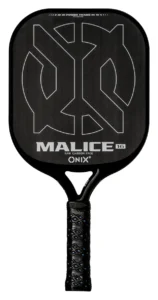
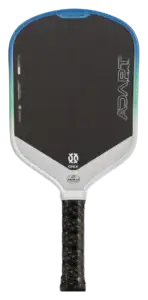
- Onix ThermoFused: Onix’s patented ThermoFused process molds paddles such as the Praxis, Malice Raw Carbon and Adapt Max “to exact specifications”, with a carbon fiber Power Frame that wraps the entire paddle.
What Unibody Means
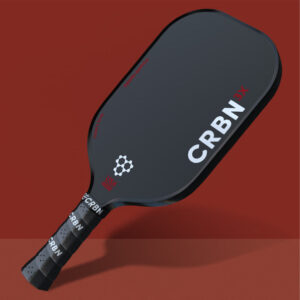
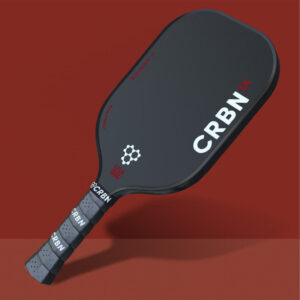
In a unibody paddle, the carbon fiber of the face continues down through the handle. CRBN’s X Series is an example: CRBN says the design avoids the weak joint where other brands attach a separate handle, stiffening the paddle and making it more responsive and durable, and pairs it with reinforced edge walls for stability and a larger sweet spot.
Edgeless and Open-Throat Designs
Sealed construction also lets some brands drop the edge guard or open the throat. Selkirk’s LUXX Control Air uses an edgeless Aero-DuraEdge build, and Onix’s Malice Raw Carbon has an open-throat design with no edge guard. Without an edge guard, the very edge of the paddle becomes usable hitting surface, but the perimeter has less protection from floor scrapes.
What Brands Say It Does
Across HEAD, Onix and CRBN, the claimed benefits are consistent: more stability on off-center hits, more power, a larger effective sweet spot and better durability at the edges and throat. These are manufacturer claims. Because brands pitch this construction for power and stability, if you want maximum touch, pair it with a thicker core or a softer face.
How Our Rating Scale Treats Construction
Our spec-based scale adds power and sweet-spot points for thermoformed or unibody construction, but only when the manufacturer states it on the product page. For example, Onix’s Malice DB Raw Carbon has a carbon Power Frame, but its product page doesn’t mention the ThermoFused process, so it doesn’t get those points.
Should You Buy a Thermoformed Paddle?
- Yes, if you want stability and power from a carbon paddle and like a firm, connected feel.
- Consider alternatives if touch and a soft feel matter most; a thick honeycomb core or a soft foam core may suit you better. Read power vs control paddles.
Compare construction types side by side in the comparison tool.
Frequently Asked Questions
What is a thermoformed pickleball paddle?
A paddle molded with heat and pressure so the face, edges and core are fused into one sealed shell, often with foam injected into the edge walls. HEAD's ThermoTech and Onix's ThermoFused paddles are examples.
What is a unibody pickleball paddle?
A paddle whose face material runs continuously down through the handle instead of a separate handle being attached at the throat. CRBN's X Series uses this design.
Are thermoformed paddles more powerful?
Brands say thermoformed and unibody paddles are more stable and powerful with a larger sweet spot, and our spec-based scale adds power and sweet-spot points when a manufacturer states this construction. If you want maximum touch, pair it with a thicker or softer core.
Keep Reading
Next Step
Ready to Compare Paddles?
Put the paddles from any guide side by side and compare them on the same research scale.