Foam Core vs Honeycomb Pickleball Paddles: What’s the Difference?
Edited by DanPublished Updated How we research
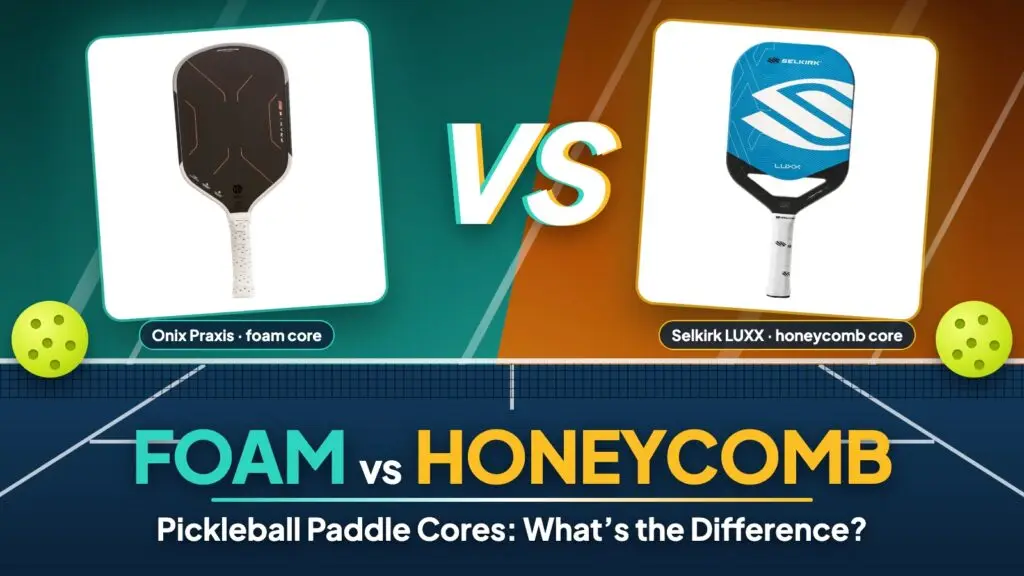
For years almost every performance pickleball paddle had a polypropylene honeycomb core. In recent years, a growing number of brands have launched paddles with all-foam cores, and they now sit at the top of most brands’ ranges. This guide explains the difference using each manufacturer’s own descriptions. We haven’t play-tested these paddles, so where a claim comes from a brand, we say so.
Quick Answer
- Honeycomb cores are a grid of polypropylene cells. They’re proven, light and affordable, and brands tune them mainly through thickness: thinner for pop, thicker for control.
- Foam cores are solid foam (sometimes several foams). Brands say they combine pop on hard swings with a soft feel on touch shots, and resist the “core crush” that can make honeycomb paddles feel dead over time.
- Hybrid cores mix the two, usually a honeycomb center with foam around the edges.
How Honeycomb Cores Work
A honeycomb core is a sheet of hexagonal cells, usually polypropylene, sandwiched between the face layers. Because the cells are mostly air, the core is light, and its feel changes mainly with thickness. That’s why honeycomb paddles are often sold in two or three thicknesses: CRBN’s X Series in 14 or 16 mm, JOOLA’s Pro V paddles in 16 or 14 mm, and Selkirk’s honeycomb paddles from 13 mm (Vanguard Power Air S2) to 19 mm (LUXX Control Air). Thinner versions play livelier; thicker ones feel softer and more controlled.
Honeycomb is also why the cheapest paddles we’ve reviewed, such as Selkirk’s AMPED Pro Air, remain good value: the technology is mature and inexpensive to make.
How Foam Cores Work
Foam-core paddles replace the cells with solid foam. Each brand has its own approach:
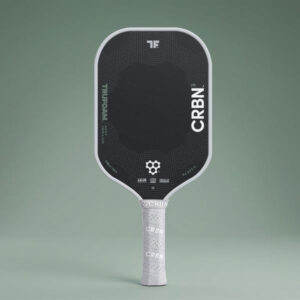
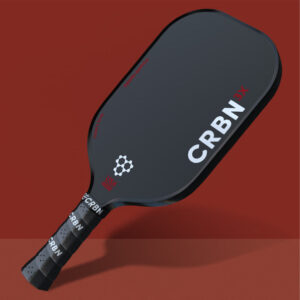
- CRBN TruFoam (Barrage, Waves, Genesis): a 100% foam core at 14 mm. CRBN says it tunes foam density and structure instead of thickness, and that TruFoam eliminates core crush and break-in changes.
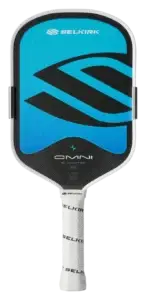
- Selkirk (OMNI, LABS Project Boomstik): PureFoam with an EVA power ring. Selkirk markets the BoomCore as resisting core crush.
- 11SIX24 (Power 2, Jelly Bean 2): a Gen 4 full-foam floating core in the Power 2, and a softer, denser EMA foam in the Jelly Bean 2.
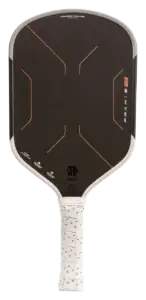
- Onix (Praxis): a solid Endurafoam core, which Onix says is designed not to break down over time the way honeycomb cores can.
Common claims across these brands are more consistent performance over a paddle’s life, more pop on drives, and spin that comes partly from the core’s dwell rather than only surface grit. These are manufacturer claims; durability in particular is something only long-term use can confirm.
Hybrid Cores
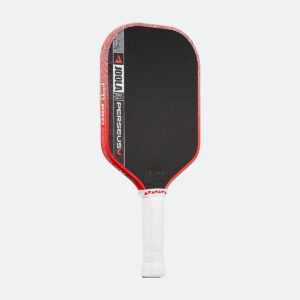
Some paddles combine both. HEAD’s TRIFLEX cores layer polypropylene honeycomb with EPP and EVA foams (the Gravity PRO EX15 reverses the usual layout, with foam in the center). Onix’s Adapt Max uses a polypropylene core with interior perimeter foam, JOOLA’s Pro V range adds a Hyperfoam Edge Wall around its polypropylene (PP) core, and CRBN’s X Series has a foam-reinforced perimeter. Perimeter foam is generally aimed at stability and a larger sweet spot.
How the Two Compare on Our Scale
Our rating scale gives every 100% foam core extra power points, so foam paddles rate high for power even at 16 mm. That reflects what brands say about foam cores, but it can’t distinguish a soft foam from a firm one. For example, 11SIX24 says its Jelly Bean 2 isn’t a power paddle, yet its foam core earns high power ratings. Honeycomb paddles are rated mainly on thickness.
Which Should You Choose?
- Choose foam if you want one paddle with pop and touch, and you value the brands’ claims about lasting performance. Expect to pay more: most foam paddles we’ve reviewed sit at the premium end of their brand’s range (each review shows today’s price).
- Choose honeycomb if you want a proven feel, a choice of thicknesses, or a lower price. A 16 mm honeycomb paddle remains one of the most controllable options.
- Choose a hybrid if you want a honeycomb feel with a more stable, forgiving edge.
Whichever you choose, check that the exact model is on the USA Pickleball approved list if you play sanctioned events. Compare foam and honeycomb paddles side by side in the comparison tool, or read power vs control paddles.
Frequently Asked Questions
What is the difference between a foam core and a honeycomb core paddle?
A honeycomb core is a grid of polypropylene cells, tuned mainly by thickness. A foam core is solid foam, which brands say gives pop on hard swings with a soft feel on touch shots and resists core crush. Some paddles combine the two.
Are foam core pickleball paddles better?
Not automatically. They rate higher for power on our spec-based scale and brands claim they last longer, but honeycomb paddles are proven, offer more thickness options and cost less. The right choice depends on your game and budget.
What is core crush?
It is the term brands use for a honeycomb core breaking down over time, which can make a paddle feel dead. CRBN, Selkirk and Onix all say their foam cores are designed to resist it.
Which brands make foam core paddles?
Among the brands we cover, CRBN (TruFoam), Selkirk (OMNI and LABS Project Boomstik), 11SIX24 (Power 2 and Jelly Bean 2) and Onix (Praxis) make all-foam paddles, while HEAD, Onix, JOOLA and CRBN also use foam in hybrid cores.
Keep Reading
Next Step
Ready to Compare Paddles?
Put the paddles from any guide side by side and compare them on the same research scale.