CRBN Barrage vs Waves vs Genesis: TruFoam Paddles Compared
Edited by DanPublished Updated How we research
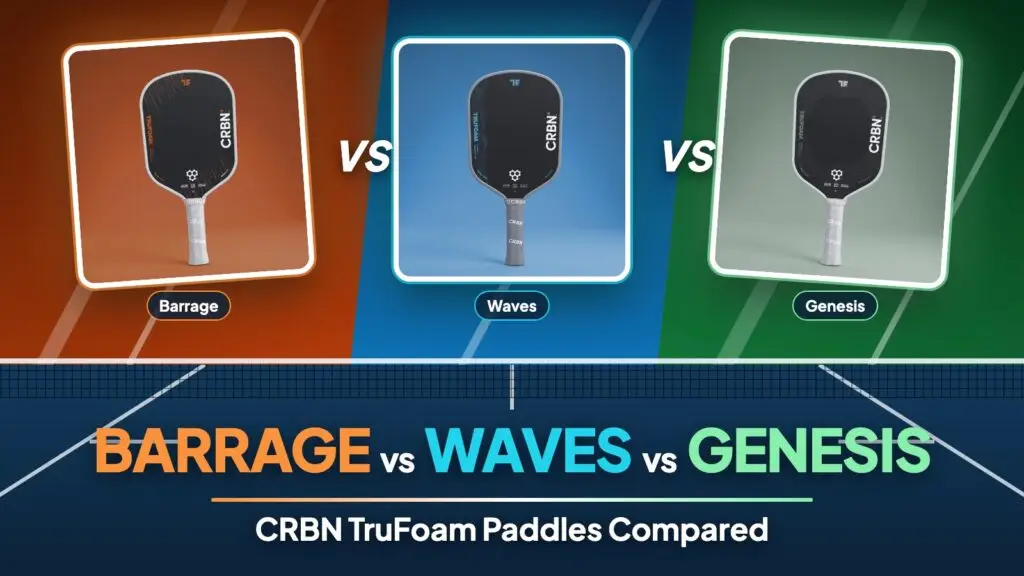
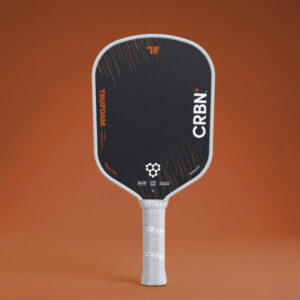
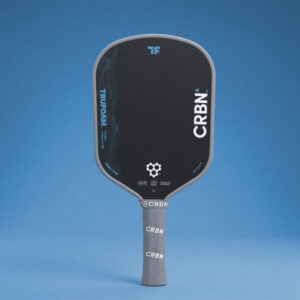
CRBN sells three TruFoam lines that look almost identical: the same 100% foam core material, the same 14 mm thickness, the same four numbered shapes and a T700 raw carbon face. The differences are in the core design, the face layup and the price. This guide compares them using CRBN’s published specifications, our spec-based rating scale and the verified-buyer ratings on CRBN’s own site. We haven’t play-tested these paddles.
Quick Answer
- Barrage: CRBN’s pop-focused paddle, for players who win with fast counters, speed-ups and putaways.
- Waves: CRBN’s most powerful TruFoam core, for players who want big drives with dwell-based power and spin.
- Genesis: CRBN’s all-court paddle, with a softer feel for resets and precise shots.
The Three Lines Side by Side
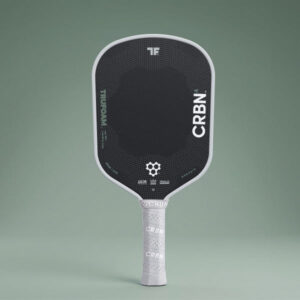
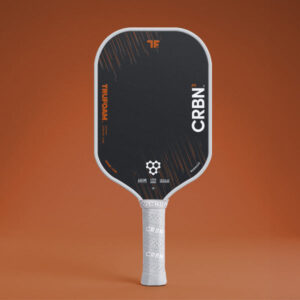
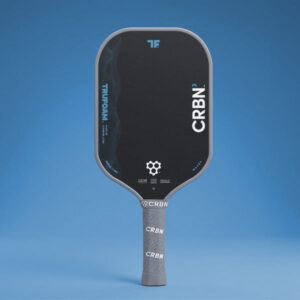
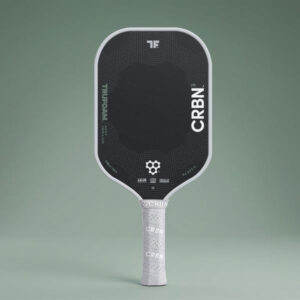
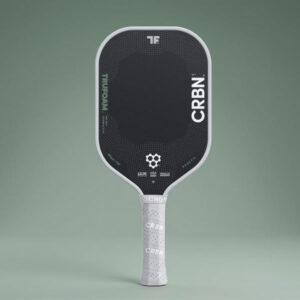
What They Share
All three use CRBN’s Gen-4 TruFoam technology: a 100% foam core with no honeycomb, which CRBN says eliminates the core crush and break-in changes of older paddles. All are 14 mm thick, because CRBN says it tunes foam density and structure instead of offering different thicknesses. All come in the same four shapes, all are on the USA Pickleball approved list, and all carry CRBN’s 30-day trial and one-year warranty on registered paddles.
How the Cores Differ
CRBN gives each line its own core design:
- Barrage: Floating Core. A floating foam core set inside an EVA foam perimeter ring. CRBN says the ring adds perimeter weighting, stability and a larger effective sweet spot, and that the core returns energy immediately for pop.
- Waves. CRBN calls it the most powerful core in the TruFoam lineup, releasing stored energy “like the strings of a tennis racket” when you accelerate, with a plush feel on soft shots.
- Genesis. The original TruFoam design. CRBN describes a soft, muted feel that excels on resets and unlocks power on full swings, and says it hits harder than CRBN’s own X Series.
Faces: Carbon Only, or Carbon with Fiberglass
Barrage uses a T700 raw carbon fiber face. Waves and Genesis add a fiberglass layer to the T700 carbon. On our rating scale, carbon faces earn more control and spin points than carbon-fiberglass blends, which is why the Barrage rates higher for control than a Waves or Genesis of the same shape, and as high or higher for spin.
Swing Weight, Twist Weight and Balance
CRBN publishes unusually detailed numbers for each shape. In the hybrid ⁴ shape:
- Barrage⁴: swing weight 108–110, twist weight 6.50, balance point 241 mm
- Waves⁴: swing weight 111–113, twist weight 6.68, balance point 237 mm
- Genesis⁴: swing weight 106–108, twist weight 6.58, balance point 237 mm
So in the hybrid shape the Genesis is the quickest-swinging, the Waves the most stable on off-center hits, and the Barrage the most head-heavy. In the elongated ³ shape all three list a swing weight of 118–120. See swing weight vs twist weight for what these numbers mean.
Research Ratings Compared
Because our scale scores core material rather than CRBN’s three core designs, all three lines rate 10 for power, and a Barrage, Waves and Genesis in the same shape score close together:
- Hybrid ⁴: Barrage 9.1, Waves 9.0, Genesis 9.0
- Elongated ³: Barrage 8.9, Waves 8.6, Genesis 8.6
The Barrage’s small lead comes from its carbon-only face (in the hybrid shape the gap is under 0.3, which we count as a tie). CRBN’s own positioning (pop for Barrage, maximum power for Waves, all-court versatility for Genesis) is a better guide to how each one plays than our scores.
What Buyers Say
All three average about 4.9 out of 5 on CRBN’s site. The Genesis³ is CRBN’s most-reviewed TruFoam paddle, with 488 ratings. Among Barrage⁴ buyers, a few say it felt little different from their Genesis, so if you already own a Genesis, the upgrade may be smaller than the price suggests.
Which Shape?
CRBN recommends the ¹ elongated long-handle shape for reach and offense, the ² standard shape for defense and resets, the ³ elongated shape for consistency and forgiveness, and the ⁴ hybrid AeroCurve shape for hand speed and attacks. Read paddle shapes explained for the trade-offs.
Which Should You Choose?
- You attack early and win hands battles: Barrage⁴.
- You want the most power from the baseline: Waves³, or Waves⁴ for quicker hands.
- You want one paddle for drives and resets: Genesis³, or Genesis⁴ for the quickest swing.
- You hit two-handed backhands: Genesis¹ with its 5.75 in handle.
- You’re on a tighter budget: Waves or Genesis, which usually cost less than the Barrage.
See every CRBN paddle on the CRBN brand page.
Frequently Asked Questions
What is the difference between CRBN Barrage, Waves and Genesis?
All three use a 14 mm, 100% TruFoam core. Per CRBN, Barrage has a floating core in an EVA perimeter ring for instant pop, Waves has the most powerful core for dwell-based power, and Genesis is the softer all-court option. Barrage also has a carbon-only face, while Waves and Genesis add fiberglass.
Is the CRBN Barrage worth the extra money over the Genesis?
It depends on your game. The Barrage usually costs more and rates slightly higher on our scale thanks to its carbon-only face, but a few Barrage buyers say it felt little different from their Genesis. If you want pop for fast exchanges, the Barrage fits; for all-court play the Genesis costs less.
Which CRBN TruFoam paddle is the most powerful?
CRBN calls the Waves the most powerful core in its TruFoam lineup. Our scale gives all three a 10 for power because it scores core material rather than CRBN's core designs.
Are CRBN TruFoam paddles USA Pickleball approved?
Yes. The Barrage, Waves and Genesis paddles we review are on the USA Pickleball approved paddle list. Confirm the exact model on the official list before sanctioned play.
Keep Reading
Next Step
Ready to Compare Paddles?
Put the paddles from any guide side by side and compare them on the same research scale.